
Maundy Thursday, washing feet and sharing a meal. This is what Jesus does the day before he goes to die. Before he goes to a garden to pray to ask His Father if there is another way. Good Friday, the crucifixion. He goes to the cross and cries out “My God, My God Why have you forsaken me?” In a sense Christ loses the Father, the presence, his source life. It’s likely what killed him, forsakenness.
Have you ever been forsaken?
On the other side of that the Father gives up the Son, sends Him to die, “It was the Lord’s will to crush Him.” Abraham and Isaac, not David and Absalom, or David and the first son of Bathsheba wife of Uriah who dies at birth. We’re talking sending your child to die while his mother and friends watch.
Have you ever publicly died?
Only a Father could be pleased to lose his Son if it meant something far better, a resurrection and a reconciliation. There would have to be a much bigger purpose for it not to be a horrible father doing a horrible thing. Which is why there in some ways must be a sense of grief caught up in the “pleasure” of purpose and if one cannot admit that, they have not suffered for their purpose and if they have not suffered for their purpose, things were probably handed to them far too easily. God though a good Father does not succumb to nepotism. He doesn’t call in a favor, the angels are sent to minister to Jesus but not deliver him. Jesus humbles himself to become a man to not use His divinity to take the easy way out. He becomes less than angels to accomplish the otherwise impossible, while the Father coequal looks on and nods.
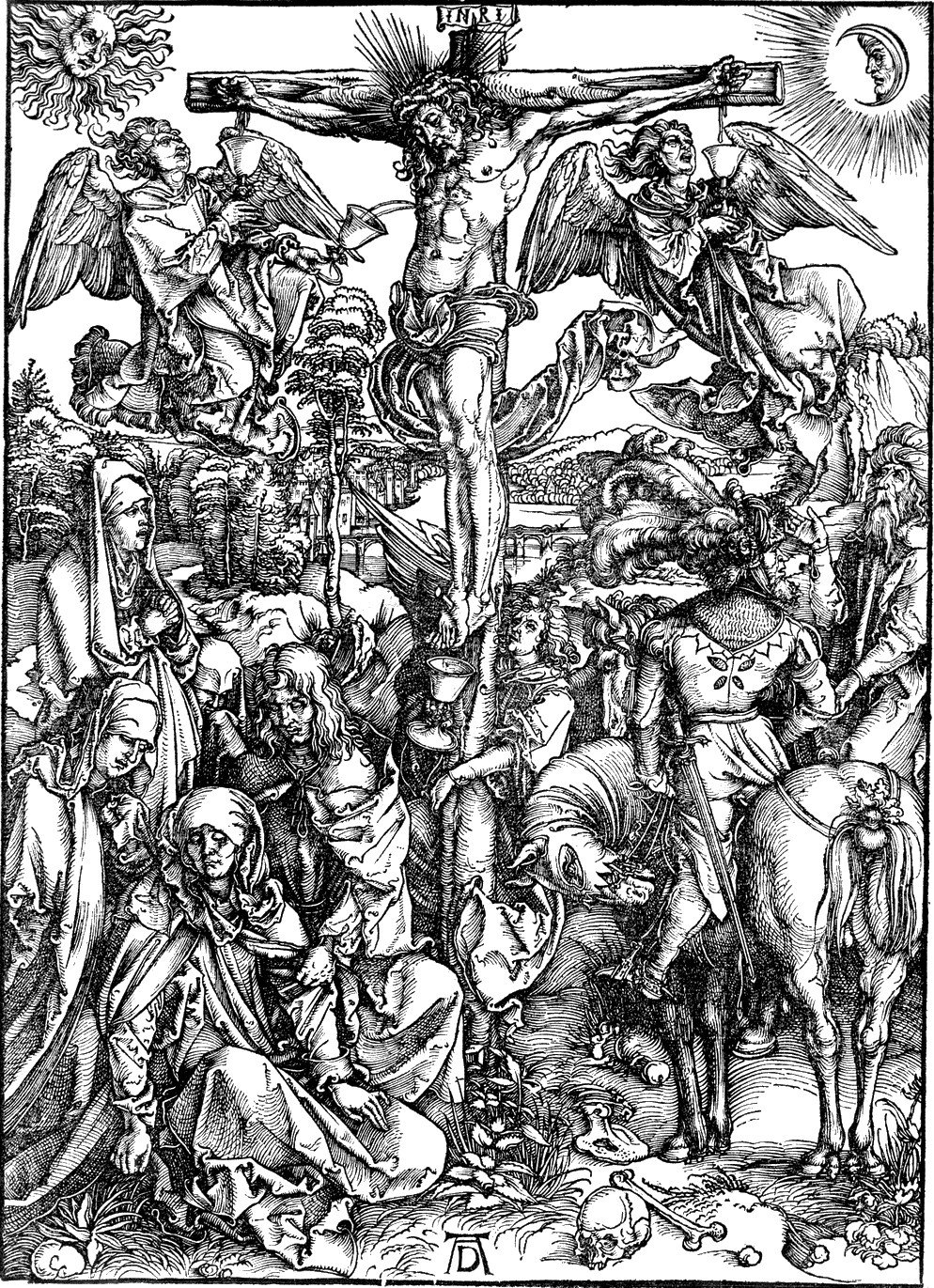
Have you ever had to give up your best?
But in this coequal agreement, there is this acknowledgment that we all have to lose something. God the Father, Christ the Son, and us, we all lose to find ourselves albeit in different ways. But it is to be believed none of us become less than what we are meant to as a result. God does not forget who He is, He does not lay aside perfection or goodness or holiness, but He does have to bear witness to suffering. Jesus does not give up his purpose or forego friendship, but He does die, He does suffer. He is betrayed, forsaken, and felt the weight of it. And we lose, while Scripture and the witness of the Spirit desperately tries to convince us the loss is incomparable, we feel it. Maybe we deny it, maybe we ignore the loss or we power through, put on joy like we are invincible to human suffering (I have not mastered this nor do I intend to). Some people accept loss well, maybe because they are winning in so many other areas or maybe they’re myopia is entirely set to the good.
Have you ever forgot yourself?
What I love about the picture of the Last Supper and foot washing is what Jesus says is the purpose of it all.
John 13:1 Jesus knew that the hour had come for him to leave this world and go to the Father. Having loved his own who were in the world, he loved them to the end.
John 13:14 Now that I, your Lord and Teacher, have washed your feet, you also should wash one another’s feet.
In light of the loss and in the strength of your love, do this for one another. In other words don’t discard each other. Don’t push each other away or isolate each other. Don’t even do that to your betrayer (yikes). Learn to wash the feet of friend and enemy if possible.
What I love about the crucifixion is not the death and darkness and trauma, but I do love that Jesus finishes something. He loses to gain the reward of his suffering.
 The Reconstructed
Leave a comment