
I can be critical of things when things over promise and under deliver (Crunch Fitness looking at you). In charismatic circles, there is an ecstatic sense that over indulging in hyperbole is acceptable. A popular preacher once said, “We don’t have the capacity to exaggerate God’s goodness.” And I do believe the sentiment of that statement so long as what we are not actually doing is exaggerating our own goodness or spectacle in the name of God and calling it God.
I do think there are many good things in the world. Yet I am guilty of looking for something else, something flashy, polished, worthy of a social media engagement. Have you ever noticed that some of the most beautiful things look better in person without their polish? Or is it that they just look more real?
In a generation where everything has to unfold on screen in order to maintain a perception of legitimacy, it is interesting that the Church asks for a Kingdom as it does its best to articulate and portray the representation of it. But it still feels a little far from its hopeful reality and fullness, no? In a way, we are putting forth a best guess or attempt of what we want it to be. Isn’t it also true that the best things, the best news is meant to appear to give it legitimacy? Don’t they have to be seen, held, touched, lived. Doesn’t a blog that goes piece by piece through the Lord’s prayer have to be read in order to be known, in order for it to actually exist? Or is it a bear that felled a tree in the woods after going to the bathroom? Did the tree fall because the bear went to the bathroom? How could we possibly know?
Which leads me to the Greek word Basleia which is a word that encompasses royalty, rule, realm. This word feels almost void of meaning to me, or it begs me to bring in a slew of my own interpretations largely from unlived experience. I’ve never lived under a king. And I think where we end up regarding this word requires us to have some, preferably a lot, of context about the character of the God King who proceeds it. All of the Lord’s prayer builds on what precedes it. God the good Father is central and now our intimate declaration of our position before God has led us to ask for the thing God seems most eager to give. A Kingdom, one that threatens to be here and near, coming and going, and yet, within us?
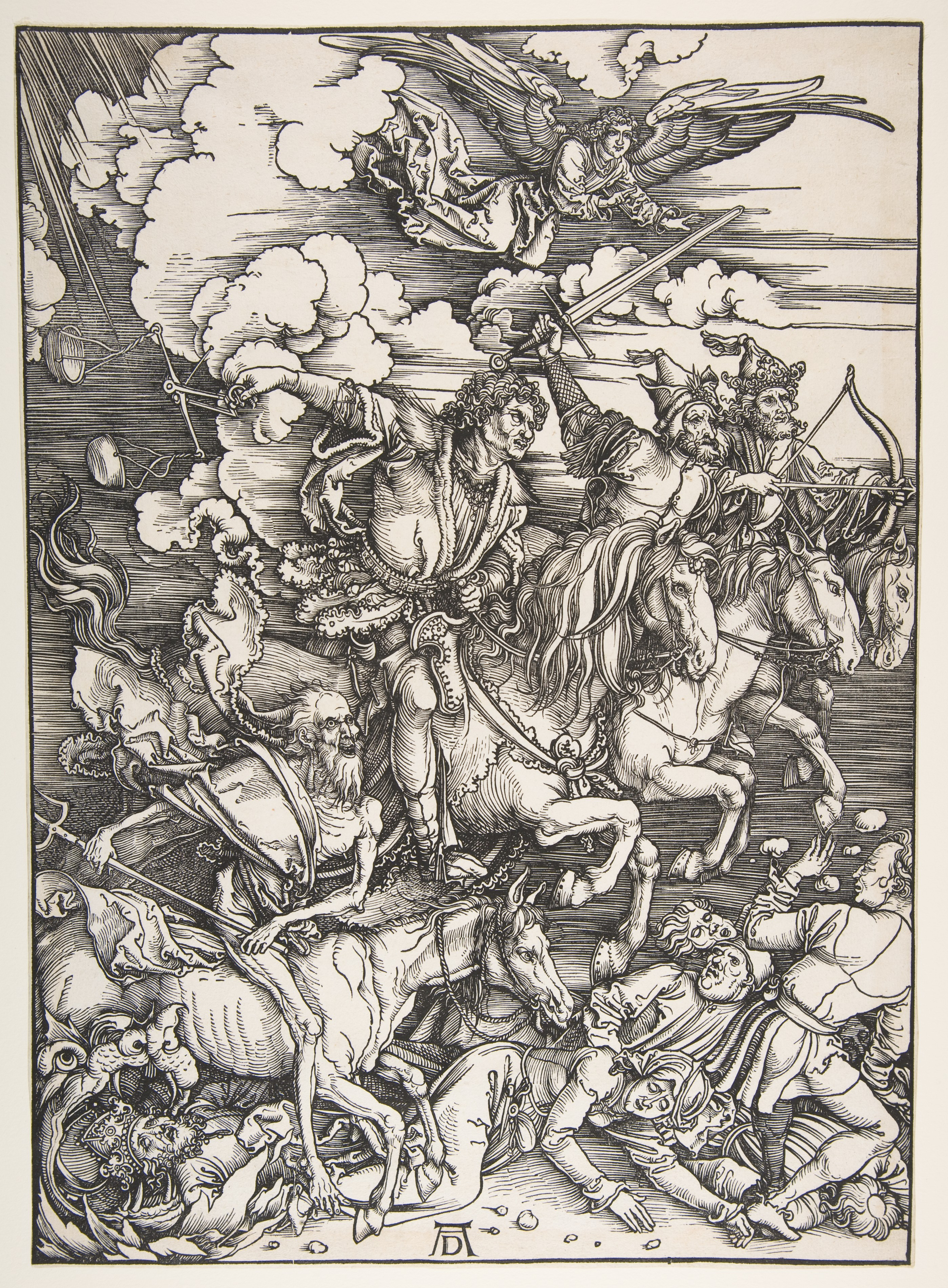
It can begin to seem like Sci-Fi–dimensions breaking into dimensions. Holy visitations from angels, audible voices. To some gold and feathers as signs of the Kingdom breaking in. I’m thinking of the last thing that held my attention, kept me captive in its beauty, whether a vision or something in nature, or something in a church. It’s sometimes hard for me to remember. But the Kingdom when it is fully inaugurated surely will be the grandest spectacle ever. Christ coming on the clouds with a parade of saints and angels?
The Greek makes it seem less like instead of asking or requesting we are making an urgent declaration. “Come the Kingdom,” followed by “Your will as in heaven upon the earth.” There is a desperation in the Greek that I may be reading into that suggests there is no time left to wait, even as we wait. Fully aware that asking for the Kingdom to come, is asking for something that even if it is at hand, has not yet entirely arrived because if it had arrived why would we need to ask for it?
I think in some ways the promise of the kingdom could, potentially, under promise according to the limited purview of our understanding and it is under-delivering based on our awareness of how good it could be and how sinful I am. Yet, through a gift of faith in Christ who died and rose again, I am also somehow convinced by the Spirit that all of it and Christ Himself as given us and has in store for us more than we could ever ask, think, or imagine.
What do you think?


Leave a Reply